
By 2026, interior design has definitively stepped out of the era of visual noise. Spaces no longer compete for attention, no longer chase spectacle, and no longer adapt themselves to algorithms. The contemporary interior has become quiet, assured and precise — like a well-written text in which not a single word is redundant.
The most significant shift has already taken place: the rejection of universal solutions. Interiors are no longer assembled from “correct” sets. They are conceived as individual systems that reflect a person’s lifestyle, habits and inner rhythm. This is no longer about style. It is about position.
The Interior as Personal Territory, Not Performance
The modern interior no longer exists to impress. It has stopped being a stage. The home of 2026 is a refuge, where how a space feels in daily life matters far more than how it photographs.
This explains the return of intimacy. Vast open plans are giving way to more enclosed, thoughtful layouts. Zones for solitude, reading and silence reappear. The interior becomes private again. It does not demand attention, nor does it try to perform — and that is precisely why it feels truly luxurious.
Minimalism, Reconsidered
Minimalism remains, but its character has changed entirely. The sterile version — glossy, empty, demonstratively “clean” — has lost relevance. In its place emerges a warmer, more human minimalism, where texture, softness and proportion take precedence.
The palette centres on creamy whites, milky neutrals and warm sand-greys, punctuated by grounded, earthy tones. Forms soften. Furniture feels visually weighted, anchored to the floor rather than floating in space. This is not austerity; it is composure.
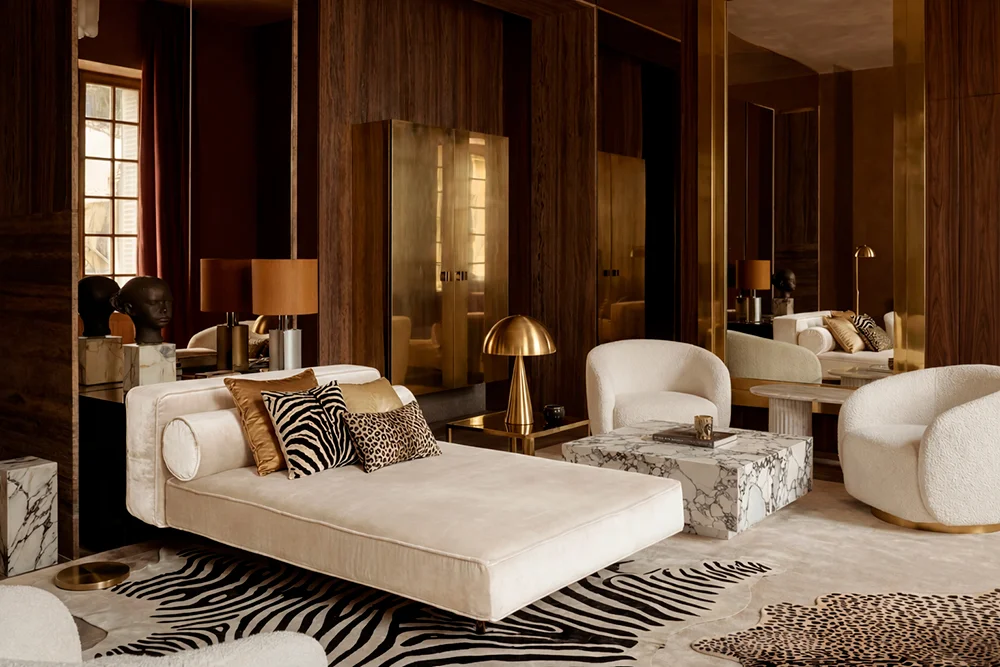
Colour as an Emotional Instrument
In 2026, colour regains meaning — but not as spectacle. What defines contemporary interiors is the use of complex, muted tones that work psychologically rather than trend-led.
Dusty greens, ochres, faded wine tones, smoky blues and warm charcoals create environments that are calm, enduring and deeply atmospheric. Colour is applied with restraint, often as a single architectural gesture: a wall, a niche, a structural plane. One decisive move replaces excessive decoration.
Materials That Can Be Trusted
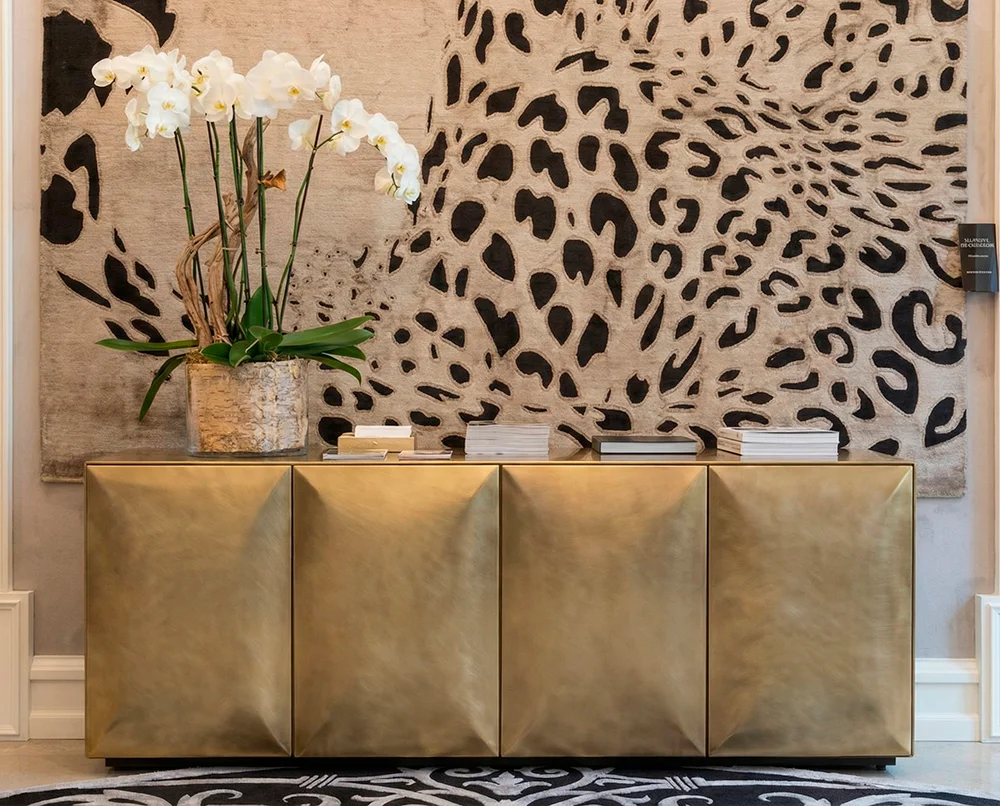
Synthetic perfection is falling out of favour. The interiors of 2026 embrace materials that feel honest and age gracefully. Wood with visible grain, stone, lime plaster, microcement, matte metal, wool, linen and boucle dominate contemporary spaces.
Texture becomes more important than pattern. Surfaces invite touch. Interiors are experienced not only visually, but physically. This tactile approach is a direct response to digital fatigue and sensory overload.
Brutalism, Softened
One of the defining aesthetics of the moment is softened brutalism. Monumental forms, solid volumes, thick slabs and architectural portals remain — but their edges are rounded, their surfaces warmer.
Hard materials are balanced with softness: wool, textiles, suede-like finishes. The palette draws from stone, clay, olive and mineral greys. This is an interior of strength without aggression — confident, grounded, composed.
Lighting as Spatial Direction
Lighting becomes the primary design language. The era of uniform ceiling illumination is over. Contemporary interiors rely on layered lighting: ambient glow, local task lighting, and focused accents for art and architecture.
Space is staged rather than lit. Light defines depth, atmosphere and rhythm. Even the simplest interior gains complexity and refinement when illuminated with intention.
Art as the Structural Centre
Decoration is no longer secondary. In the interiors of 2026, there is always a focal point — an artwork around which the space is composed. This may be a sculptural ceramic piece, a glass object, a textile wall work, or large-scale graphic art.
One powerful piece replaces a multitude of minor details. The interior begins to resemble a curated exhibition rather than a styled display.
From Matching Sets to Collecting
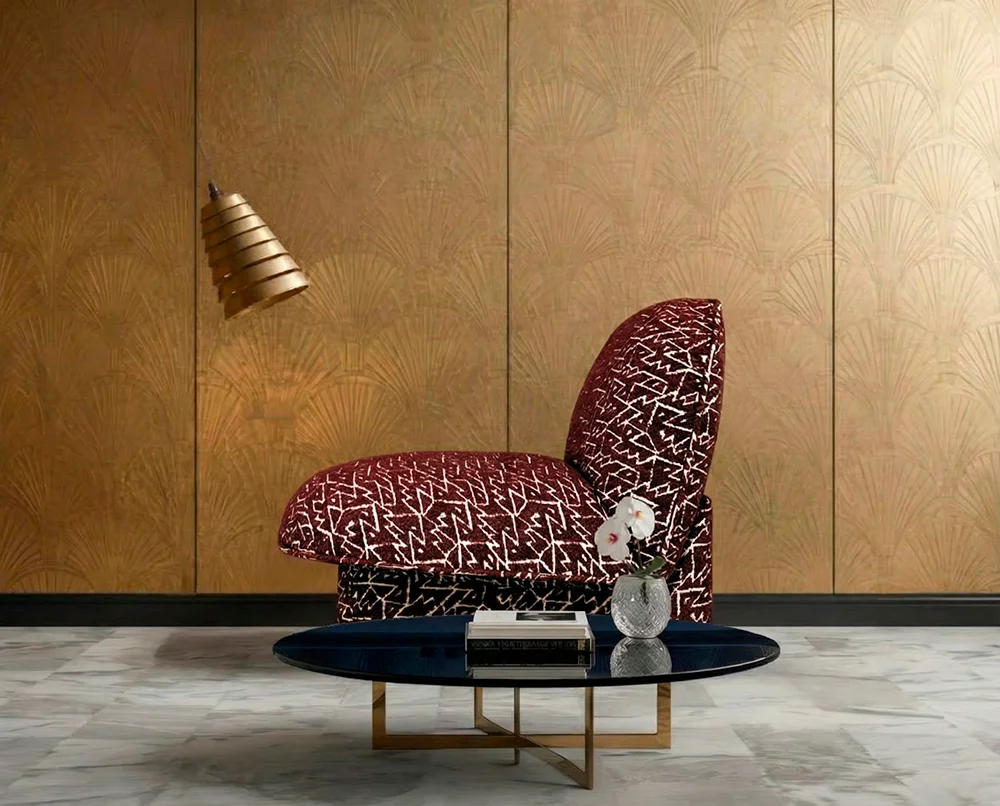
Furniture and objects are chosen individually, not as coordinated ensembles. What matters is not catalogue harmony, but character. Subtle imperfections, unconventional proportions, distinctive details — elements that make an object feel alive.
Interiors no longer appear “finished.” They evolve over time, reflecting personal taste rather than market cycles.
An Interior That Does Not Need Constant Renewal
Ultimately, the most important trend of 2026 is the rejection of constant reinvention. Contemporary interiors are designed beyond seasonal fashion. They do not age quickly because they are not chasing novelty.
At the core are proportion, light, materiality and feeling. Such interiors do not announce the moment of their creation — and therefore remain relevant far longer.